Source Modern Indoor Outdoor Stair Edge for Villa Home Hotel
Compare 30 listings for modern indoor outdoor stair edge options featuring steel, wood, and glass materials. Buyers can evaluate straight and spiral designs with customized finishes for residential projects.
Key considerations
Products List




Comprehensive Sourcing Guide
Strategic Sourcing Guide for Modern Indoor and Outdoor Stair Edges
Understanding Product Variability and Technical Specifications
When sourcing modern stair edges for both indoor and outdoor environments, buyers must first navigate a complex landscape of material compositions and structural designs. The market offers a diverse array of options, ranging from straight stair configurations to spiral designs, each with distinct engineering requirements. The core product category encompasses ordinary stairs and specialized stair solutions, often tailored for residential applications such as houses, villas, and apartments. A critical observation in the current supply base is the prevalence of mixed-material construction, where steel and wood are frequently combined to achieve both structural integrity and aesthetic warmth.
The material composition of the stair edge and its supporting structure is paramount. Supply data indicates that carbon steel and stainless steel are the primary metals utilized for beam materials, offering varying degrees of corrosion resistance essential for outdoor exposure. For indoor applications, solid wood and wood treads provide a traditional aesthetic, while glass and marble treads offer a contemporary, high-end finish. The railing systems further diversify the options, with suppliers offering glass railings, stainless steel tubes, and aluminum components. The finish applied to these metal components is equally critical; brushed and mirror finishes are standard options that influence both the visual appeal and the maintenance requirements of the final installation.
Buyers should note that the "modern" designation in this context often aligns with specific design styles and structural forms. Spiral structures are a distinct category within the market, differing significantly from beam-based straight stair configurations. The customization capabilities available in the supply chain are extensive, allowing for bespoke solutions regarding color, dimensions, and specific design elements. The ability to customize handrails, which may be constructed from stainless steel (SS304), metal, or wood, allows for a seamless integration with the overall architectural theme. Furthermore, the application scope has expanded beyond purely indoor use, with several product lines explicitly designed for dual indoor and outdoor usage, necessitating robust material selection to withstand environmental variables.
Compliance, Standards, and Certification Verification
In the realm of stair manufacturing, compliance with safety standards and industry certifications is non-negotiable, particularly for projects involving public access or multi-story residential buildings. While specific certification documents vary by supplier, the market generally adheres to standards such as those for stainless steel staircases. Buyers must verify that the supplied products meet the specific structural and safety requirements of the destination country. For instance, the "Stainless Steel staircase" standard is a recognized benchmark in the industry, but it is essential to confirm that the specific batch of goods complies with local building codes regarding load-bearing capacity and edge safety.
The origin of the product plays a significant role in the regulatory landscape. A substantial portion of the available supply originates from manufacturing hubs in China, specifically Shenzhen, Foshan, and Guangdong. These regions have established supply chains that are accustomed to international export standards. However, the "Export Standard Safety Packing" mentioned in product descriptions is a baseline requirement rather than a guarantee of structural certification. Buyers should explicitly request test reports and compliance certificates from the supplier to ensure that the stair edges and associated railings meet the necessary safety thresholds.
Certification checks should extend beyond the material itself to include the manufacturing process. The "customize size" standard indicates that many suppliers operate on a made-to-order basis. This flexibility introduces a variable in quality control; every custom order must be validated against the agreed-upon specifications. Buyers should verify that the supplier maintains a consistent quality management system that covers the entire production cycle, from raw material sourcing to final packaging. The presence of project solution capabilities, such as graphic design and 3D model design, suggests that some suppliers offer pre-installation verification services. Utilizing these services can help ensure that the final product will meet the required standards before manufacturing begins, reducing the risk of non-compliance upon delivery.
Cost Drivers and Pricing Structure Analysis
The pricing of modern stair edges is influenced by a multitude of factors, ranging from raw material costs to the complexity of the design and the level of customization required. The observed price range in the market spans from approximately $29.25 to $5,000, reflecting the vast difference between basic components and fully engineered, custom-designed stair systems. This wide variance underscores the importance of defining the scope of the project clearly before soliciting quotes.
Material selection is a primary driver of cost. Stainless steel, particularly grades like SS304, commands a higher price point than carbon steel due to its superior corrosion resistance and aesthetic finish. Similarly, the inclusion of glass, marble, or solid wood treads significantly increases the overall cost compared to standard steel or wood alternatives. The finish applied to the metal components also impacts pricing; mirror finishes often require more labor-intensive polishing processes than brushed finishes, leading to higher unit costs.
Customization is another significant cost factor. Products that require "Customized Colors" or bespoke dimensions often incur additional charges for design work, tooling, and specialized production runs. The "Project Solution Capability" offered by some suppliers, including 3D modeling and graphic design, adds value but also contributes to the final price. Buyers should evaluate whether these design services are included in the base price or billed separately.
Lead times and logistics also play a role in the total cost of ownership. The standard delivery time for these products is typically between 35 and 45 working days. This extended lead time is often necessary for custom manufacturing and quality assurance processes. However, expedited shipping or rush orders may incur premium costs. Additionally, the packaging requirements, such as woven bags for beams and plywood cases for glass components, add to the shipping weight and volume, influencing freight costs. Buyers should consider the total landed cost, including packaging, freight, and potential customs duties, rather than focusing solely on the unit price.
Typical Applications and Design Integration
Modern stair edges are designed to serve a wide range of applications, from private residential spaces to commercial villas and hotels. The versatility of these products allows them to be integrated into various architectural styles, with a strong emphasis on modern design aesthetics. The "House/Villa/Apartment" and "Home, Villa, Hotel" application tags indicate that the primary market is residential and hospitality, where the visual impact of the staircase is a key design element.
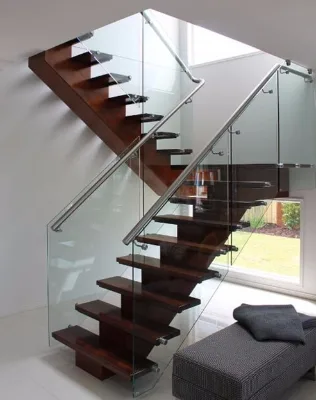
For indoor applications, the focus is often on creating a seamless transition between floors while maintaining a clean, modern look. The use of glass railings and stainless steel handrails can create an open, airy feel that is highly desirable in contemporary interiors. The availability of wood treads allows for a warmer, more traditional touch, which can be balanced with the sleekness of metal components. In contrast, outdoor applications demand materials that can withstand exposure to the elements. The "Indoor, Outdoor" usage specification highlights the durability required for exterior installations, where the stair edges must resist moisture, temperature fluctuations, and UV radiation.
The design style of the stair edge is a critical consideration for buyers. The "Modern" design style is prevalent, characterized by clean lines, minimal ornamentation, and the use of industrial materials. However, the market also offers "Special Stairs" and "Spiral Stairs," which cater to unique architectural challenges and space constraints. The ability to customize the handrail, color, and structure allows designers to tailor the staircase to the specific needs of the project. For example, a villa with a spiral staircase might require a custom-designed beam structure and specialized glass railings to ensure safety and aesthetic cohesion.
Supplier Evaluation and Sourcing Strategy
Evaluating potential suppliers requires a thorough assessment of their capabilities, reputation, and alignment with the buyer's specific needs. The supply base includes manufacturers from key industrial regions in China, such as Shenzhen, Foshan, and Guangdong. These locations are known for their expertise in metal fabrication and wood processing, making them reliable sources for high-quality stair components. However, the presence of multiple suppliers with similar product descriptions necessitates a careful vetting process.
Buyers should prioritize suppliers who demonstrate strong project solution capabilities, including graphic design and 3D model design. These services indicate a supplier's ability to understand and execute complex design requirements, reducing the risk of errors during the manufacturing process. Additionally, the availability of customization options, such as "Customized Colors" and "Customized/SS304/Metal/Wood" handrails, suggests a flexible manufacturing process that can adapt to specific project needs.
When evaluating suppliers, buyers should also consider their quality control measures and packaging standards. The "Export Standard Safety Packing" and specific packaging details, such as "Peal Cotton and Wooden Case" or "Plywood Package for Glass," are indicators of a supplier's attention to detail and commitment to protecting the product during transit. Buyers should request samples or visit the factory if possible to verify the quality of the materials and the craftsmanship of the finished product.
Furthermore, the supplier's ability to meet lead times and delivery schedules is crucial. The standard delivery time of 35-45 working days should be factored into the project timeline. Buyers should confirm the supplier's capacity to handle the order volume and ensure that the production schedule aligns with the project deadlines. Communication and responsiveness are also key factors; a supplier who is transparent about the production process and proactive in addressing concerns is more likely to deliver a satisfactory outcome.
Quality Control and Long-Term Procurement Considerations
Ensuring the quality of modern stair edges is essential for both safety and longevity. The quality control process should begin at the raw material stage, verifying that the steel, wood, and glass meet the specified standards. For stainless steel components, buyers should confirm the grade of the material, such as SS304, to ensure adequate corrosion resistance. The finish applied to the metal should be consistent and free from defects, with brushed and mirror finishes inspected for uniformity and smoothness.
During the manufacturing process, regular inspections should be conducted to ensure that the dimensions and structural integrity of the stair edges meet the design specifications. The "Single Gross Weight" and "Single Package Size" data points provide useful benchmarks for verifying the consistency of the product. Buyers should also check the packaging to ensure that the components are protected from damage during shipping. The use of woven bags for beams and plywood cases for glass components is a standard practice that helps prevent scratches and breakage.
Long-term procurement considerations involve assessing the durability and maintenance requirements of the stair edges. Outdoor installations require materials that can withstand harsh weather conditions, while indoor installations should be resistant to wear and tear from foot traffic. The choice of materials, such as solid wood or stainless steel, will influence the long-term maintenance needs of the staircase. Buyers should inquire about the recommended maintenance procedures and the availability of replacement parts to ensure the longevity of the installation.
Additionally, the supplier's after-sales support and warranty policies are important factors to consider. A reliable supplier should offer support for any issues that arise after installation, including repairs or replacements. The ability to provide technical assistance and guidance on maintenance can add significant value to the procurement process. By selecting a supplier with a strong track record of quality and support, buyers can ensure that their investment in modern stair edges will deliver lasting performance and aesthetic appeal.
FAQs
What materials are used for modern stair edges?
Stair edges typically combine steel and wood for structural integrity and aesthetic warmth. Carbon steel and stainless steel beams support the structure, while treads may be wood, glass, marble, or steel depending on the design.
Can these stairs be customized for specific projects?
Yes, extensive customization is available for color, dimensions, and design elements. Suppliers offer custom colors, handrails made of SS304, metal, or wood, and project solutions including graphic design and 3D model design.
What is the standard delivery time for these products?
The standard delivery time ranges from 35 to 45 working days. This period accounts for custom manufacturing processes and quality assurance checks required before the products are packed and shipped.
Which locations manufacture these stair edges?
Manufacturing originates from key industrial hubs in China, specifically Shenzhen, Foshan, and Guangdong. These regions have established supply chains for metal fabrication and wood processing suitable for export standards.
How are these stairs packaged for international shipping?
Products use export standard safety packing with specific materials for different components. Beams are wrapped in woven bags, while glass treads are packed in plywood cases or wooden boxes with protective cotton.
What design styles are available for indoor and outdoor use?
Modern design styles are prevalent, featuring clean lines and minimal ornamentation. Options include straight beam structures, spiral stairs, and special stair configurations suitable for houses, villas, and hotels.